
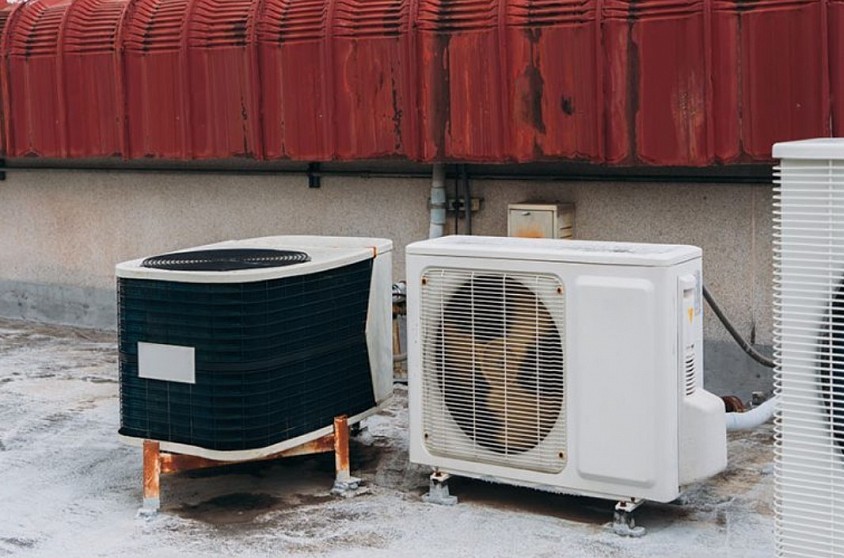
Seasonal HVAC Readiness in Spring, TX: What Homeowners Should Know
When warm, humid days arrive in Spring, TX, reliable cooling becomes a necessity. Air conditioning repair service experts emphasize a proactive approach to keep systems efficient, safe, and ready for sudden temperature shifts. Addressing maintenance early reduces unexpected breakdowns, helps manage utility costs, and supports consistent indoor comfort. The following guide outlines practical steps homeowners can take to prepare HVAC systems for changing weather, from airflow basics to addressing heating needs when a cold snap rolls through, including the importance of coordinating AC tune-ups with related services like furnace repair Spring.
1) Prioritize airflow and duct integrity
- Consistent airflow is the foundation of effective cooling. Dirty filters, obstructed returns, and leaky ducts force equipment to run longer and work harder. Replace filters regularly, verify that vents and returns remain unblocked by furniture or rugs, and consider a professional duct inspection if rooms cool unevenly. Restoring proper airflow can reduce strain on components like blower motors and expand the lifespan of the system.
2) Schedule seasonal performance checks
- A thorough inspection before peak heat helps catch small issues early. Technicians can assess refrigerant levels, electrical connections, condensate drainage, and thermostat calibration. Even minor deviations—such as a partially clogged condensate line—can escalate into system shutdowns or water damage. Seasonal service also helps confirm that the outdoor unit is free of debris and has adequate clearance for ventilation.
3) Calibrate comfort with smart controls
- A properly set thermostat does more than control temperature; it shapes equipment runtime, humidity balance, and energy use. Smart or programmable controls optimize schedules around daily routines, limit short-cycling, and support consistent comfort. Calibrating the thermostat to reflect actual indoor conditions helps ensure accurate cooling calls and prevents unnecessary strain on compressors and fans.
4) Address humidity for better cooling efficiency
- In humid climates, controlling moisture enhances comfort at moderate temperatures. Ensuring the air conditioner is correctly sized and the refrigerant charge is within manufacturer specifications can improve dehumidification. Sealing air leaks in the home envelope, managing bathroom and kitchen ventilation, and keeping coils clean all contribute to balanced humidity and more efficient cooling.
5) Maintain coils and outdoor components
- Evaporator and condenser coils must be clean to transfer heat efficiently. Dust, pollen, cottonwood fluff, and yard debris can form an insulating layer that impairs performance. Gentle coil cleaning, careful fin straightening, and clearing vegetation around the outdoor unit preserve airflow and heat exchange. These steps also reduce the likelihood of compressor overheating during extended hot spells.
6) Protect the system from power and drainage issues
- Voltage fluctuations and clogged drain lines are frequent culprits behind mid-season breakdowns. Surge protection safeguards sensitive electronics, while routine condensate line maintenance helps prevent pan overflows and moisture damage. Verifying that safety switches function correctly adds an extra layer of protection against water-related shutdowns.
7) Integrate heating readiness alongside cooling care
- Even in warmer regions, occasional cold fronts can pop up. Coordinating AC service with heating checks ensures smooth transitions between seasons. Verifying blower operation, inspecting ignition or heat delivery components, and confirming safe ventilation are smart steps. For homeowners in the area, aligning tune-ups with services like furnace repair Spring supports whole-home comfort planning throughout the year.
8) Respond promptly to early warning signs
- Unusual noises, short-cycling, weak airflow, or musty odors often signal emerging issues. Addressing symptoms early can prevent larger problems, from compressor stress to indoor air quality concerns. Keeping a brief maintenance log—dates, filter changes, unusual sounds—helps technicians pinpoint causes quickly and recommend precise solutions.
9) Improve indoor air quality while servicing cooling equipment
- While focusing on temperature, do not overlook air quality. Clean filters, sealed ducts, and proper ventilation support healthier breathing conditions. If residents have sensitivities, discuss filtration upgrades or UV options with a qualified professional to complement existing systems and maintain fresh, balanced airflow.
10) Plan for long-term reliability
- A proactive, documented maintenance routine helps extend equipment life. Seasonal inspections, proper airflow, coil care, and calibrated controls all contribute to stable performance. When components age, consult a professional about repair options and timing for replacements to avoid mid-season failures. With thoughtful planning and timely service, your system will be ready for shifting weather and heavy use, keeping indoor spaces comfortable when it matters most.
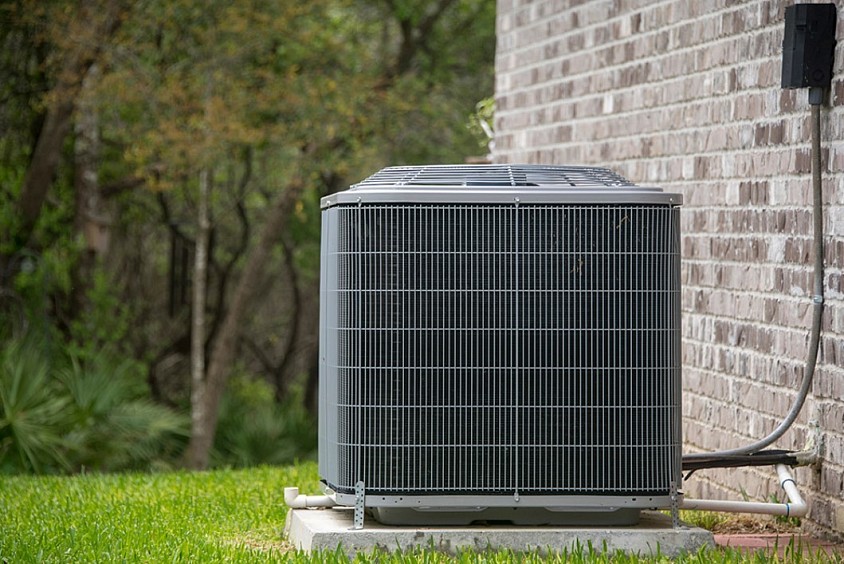
Keeping Cool and Confident: A Homeowner’s Guide to Air Conditioning Repair and Upgrade Decisions
A reliable cooling system isn’t just a summer luxury; it’s essential for comfort, safety, and peace of mind. When an air conditioner struggles, homeowners are often unsure whether to repair, fine-tune, or upgrade components. Understanding how systems fail, what technicians look for, and when to consider improvements can save time, stress, and money over the long term. The following guide breaks down practical steps and insights to navigate repair calls and plan for future-ready comfort in Spring, TX and similar climates.
1) Recognize early warning signs
- Uneven temperatures from room to room can signal airflow restrictions, insulation gaps, or duct leaks.
- Short cycling often points to thermostat issues, restricted airflow, or an undersized or oversized unit.
- Rising utility bills without a lifestyle change may indicate efficiency loss from dirty coils, worn parts, or low refrigerant.
- Odd noises—rattles, squeals, or grinding—suggest loose hardware, fan problems, or motor wear that should be checked promptly.
Catching these symptoms early typically leads to simpler repairs and helps prevent secondary damage.
2) Understand the basics of professional diagnostics
- Visual inspections target coils, electrical connections, blower assemblies, drains, and ductwork.
- Performance tests compare supply and return temperatures, examine static pressure, and evaluate overall airflow.
- Refrigerant assessments verify correct charge and look for leaks at common points such as valves, connections, or coil seams.
A clear diagnostic process helps homeowners see what’s urgent versus what can be scheduled, and it clarifies which fixes deliver real efficiency gains.
3) Prioritize repairs that protect core components
- Addressing airflow first—filters, blower speed, duct restrictions—reduces stress on compressors and motors.
- Ensuring proper refrigerant charge supports optimal cooling and prevents compressor overheating.
- Tightening electrical connections and replacing fatigued capacitors can eliminate intermittent failures and extend component life.
Focusing on root-cause issues prevents repeat calls and helps the system run closer to its design performance.
4) Improve airflow for better comfort and efficiency
- Clean return and supply pathways and correct crushed or kinked ducts.
- Evaluate vents in frequently uncomfortable rooms; adjustments or minor duct modifications may help.
- Keep outdoor units clear of debris and ensure adequate clearance on all sides to maintain heat transfer.
Good airflow often delivers immediate gains in comfort and lowers strain on key parts.
5) Maintain drainage and moisture control
- Clear the condensate drain and verify proper slope to prevent clogs and water damage.
- Inspect drain pans and safety switches that shut the unit off when water levels rise.
Keeping water where it belongs prevents ceiling stains, microbial growth, and sudden mid-season breakdowns.
6) Plan upgrades that match your comfort goals
- Smart thermostats can smooth temperature swings and reduce short cycling when programmed thoughtfully.
- High-efficiency indoor blowers can improve airflow and reduce energy use, especially in homes with longer duct runs.
- If your current system struggles during long hot spells or frequent start-stop cycles, consider whether capacity and efficiency align with your square footage and insulation level.
Thoughtful upgrades deliver consistent comfort while easing the workload on existing equipment.
7) Consider modern alternatives for year-round flexibility
- In climates with mild winters and hot summers, all-electric comfort solutions can deliver heating and cooling from one system.
- When planning a replacement or addition, many homeowners explore heat pump installation Spring as a pathway to efficient performance, quiet operation, and better humidity control.
- Ducted and ductless options can address whole-home needs or hard-to-cool rooms without major renovation.
Choosing technology that fits your home’s layout and usage patterns leads to fewer compromises and smoother seasonal transitions.
8) Protect your investment with a maintenance rhythm
- Seasonal tune-ups help keep coils clean, confirm airflow targets, and test electrical components under normal load.
- Filter checks on a routine cadence—more often with pets, remodeling, or allergy concerns—maintain healthy airflow and indoor air quality.
- Documenting service history builds a roadmap for future decisions and helps spot patterns before they become costly.
A consistent maintenance plan is one of the most reliable ways to avoid surprise breakdowns.
Thoughtful, informed decisions are the backbone of dependable cooling. By paying attention to early warning signs, trusting a clear diagnostic process, and investing strategically—whether in airflow improvements, controls, or a forward-looking option like heat pump installation Spring—homeowners can enjoy steady comfort through the hottest weeks and transition seamlessly from season to season.